

What Fed Chair Kevin Warsh Means for Commercial Real Estate
June 2, 2026

What Fed Chair Kevin Warsh Means for Commercial Real Estate
Here’s the bottom line on the new Fed Chair Kevin Warsh:
Warsh wants to cut rates eventually, but inflation and the Iran war make near-term cuts difficult, and a rate hike is more possible than it looks on paper.
Trump has openly pressed the Fed to slash rates. Warsh signaled support for lowering rates last year, but he’s historically held hawkish views, tending to favor higher rates.
Inflation is stubbornly above the Fed’s 2% target and moving in the wrong direction, with price pressures increasing since the war with Iran snarled tanker traffic in the Strait of Hormuz, triggering a spike in oil and gas prices. Financial markets believe the odds of a rate cut this year are below 50%.
Here's what that means:
1. Refinancing pain continues
Billions in commercial real estate loans are coming due in 2025 and 2026.
Owners who were banking on lower rates to make their refinancing pencil out are now facing hard choices – sell at a loss, inject more equity, or find bridge financing at punishing terms. For over-leveraged properties, particularly in office, this is where distress becomes default.
2. Deals stay frozen
Sellers are still anchored to pre-rate-hike valuations; buyers can’t make the numbers work at current borrowing costs.
Rate relief, when it does come, will be gradual rather than immediate. Every Fed meeting that holds rates steady means more stalled investment decisions.
3. Construction slows further
The pipeline of new commercial product coming to market in 2027 and 2028 is going to be thin.
Interest rates have already substantially slowed multifamily construction, compounded by tariffs on steel, aluminum, and copper, all now subject to 50% duties.
Slowing construction actually helps existing property owners by limiting new competition, but it makes affordability worse across the board, particularly in multifamily.
4. The good news about Warsh
The wait is over, and a known quantity at the Fed is a reason to start underwriting deals again even if rates don’t move immediately.
He’s not Powell, who was increasingly seen as resistant to rate relief. Warsh has signaled support for lower interest rates under the right conditions. For CRE, even the credible expectation of future cuts is enough to get some deals moving.
Warsh has also suggested improvements in the way the government measures inflation. If inflation methodology changes, measured inflation could decline faster, though investors will ultimately focus on underlying price trends rather than statistical adjustments alone.
Many commercial mortgages are priced off longer-term Treasury yields, particularly the 5-year and 10-year Treasury. Even if Warsh eventually cuts short-term rates, CRE financing won’t meaningfully improve unless long-term yields also decline. Recently, long-term yields have remained elevated because investors continue to worry about inflation and government borrowing.
The Bottom Line
The key takeaway for commercial real estate isn’t that Kevin Warsh guarantees lower rates. It’s that the market now has greater visibility into the Fed’s likely direction. If inflation stabilizes, Warsh appears more open to eventual rate relief than Powell was perceived to be. But until inflation convincingly moves back toward target – and long-term Treasury yields follow – CRE owners should continue underwriting for a higher-for-longer financing environment.
For investors, lenders, and property owners, the opportunity today isn’t waiting for the perfect rate environment, it’s identifying assets and capital structures that can perform under current conditions. The firms that act with discipline, realistic assumptions, and proactive planning will be best positioned when capital markets eventually loosen.
Whether you’re facing an upcoming loan maturity, evaluating an acquisition, or reassessing portfolio strategy, today’s environment demands careful underwriting and market insight. Summer Street Advisors works with CRE investors, lenders, and property owners to navigate changing capital markets, structure financing solutions, and uncover opportunities in uncertain conditions. If you’d like to discuss how evolving interest rate policy may impact your portfolio or investment strategy, reach out to the SSA team.
About Jack Mullen of Summer Street Advisors:
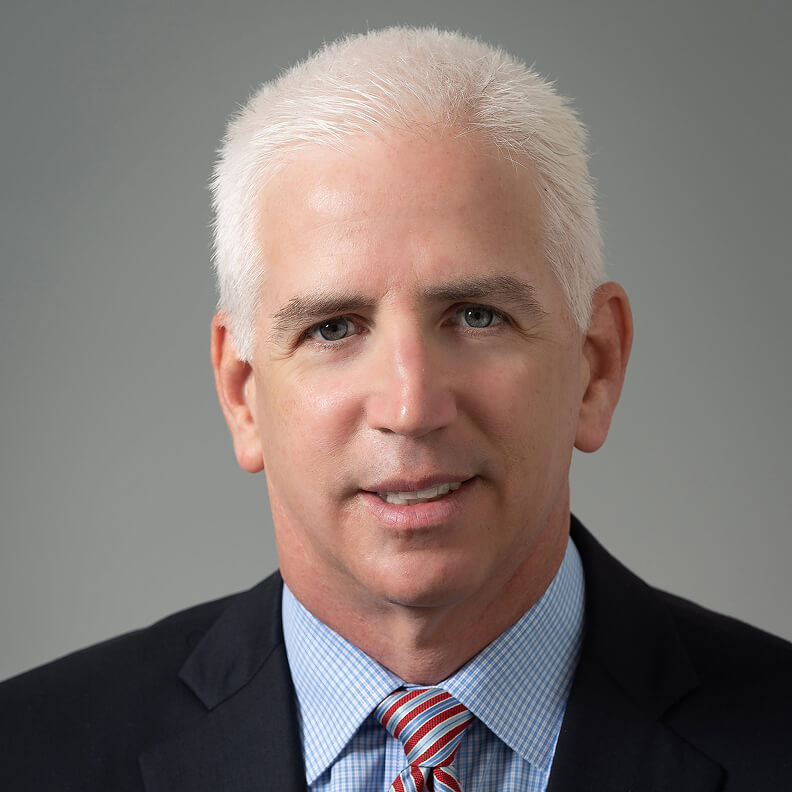
As Founder & Managing Director of Summer Street Advisors, Jack Mullen leverages decades of experience in valuation, underwriting, and risk management to lead multi-million and multi-billion dollar CRE transactions.
Previously with GE Capital and large institutional banks, he has shaped investment strategies for some of the industry’s largest deals. A recognized leader, his insights are featured in GlobeSt.com and CREFC Finance World, and he is a sought-after speaker at industry conferences and top universities.
For strategic advice on your portfolio or transaction, contact:
Insight
Share This :