
Summer Street in Action: When the Original Business Plan No Longer Works
November 17, 2026
When the Original Business Plan No Longer Works
Sometimes the greatest risk to an investment is continuing to execute a business plan that no longer works.
For commercial real estate investors, recognizing when a strategy needs to change can be just as important as executing the original plan. A struggling senior living investment illustrates how reassessing the underlying business model – rather than pursuing additional incremental operating improvements – can provide a more sustainable path forward.
The Challenge
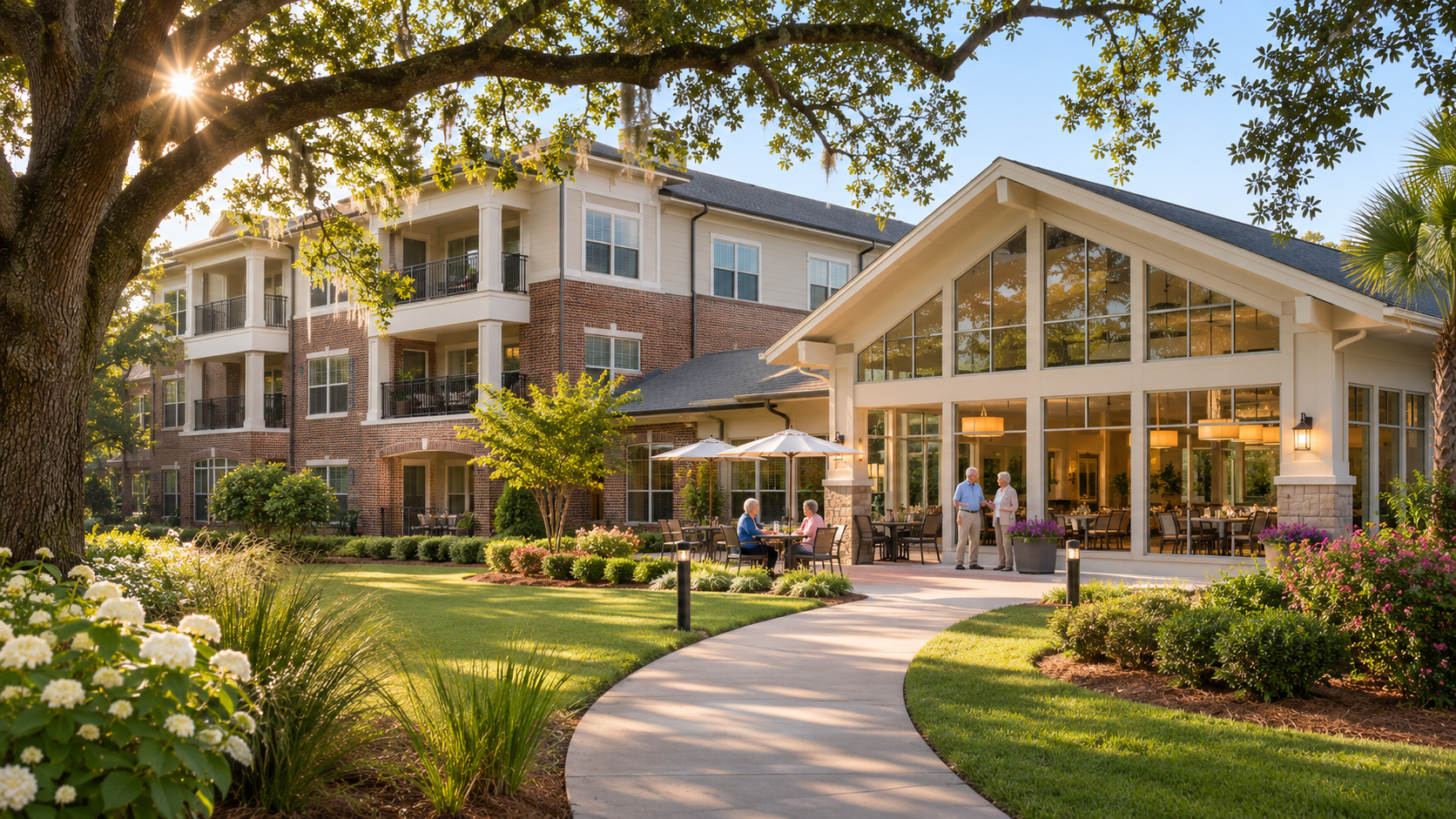
A real estate investment firm owned a senior living community in the Southeast that had consistently underperformed expectations.
Despite significant capital investment, multiple operating initiatives, and the involvement of experienced property management firms, the community continued to struggle with occupancy, rising operating expenses, and declining net operating income (NOI).
By mid-2026, the property’s financial performance had deteriorated significantly. To illustrate the financial pressures facing an underperforming property, consider a hypothetical scenario in which occupancy is approximately 72%, operating expenses increase 19%, and revenue grows just 8%. Depending on the property’s starting operating margin, such a divergence could produce an NOI decline of approximately 35%.
For the actual investment, the owner explored a potential sale, but offers were insufficient to cover the outstanding debt. Refinancing alternatives were also constrain
Our Solution
Summer Street Advisors (SSA) was engaged to evaluate the causes of the property’s underperformance and determine whether an alternative operating strategy could provide a sustainable path to profitability.
SSA’s analysis identified a fundamental misalignment between the property’s operating model, market positioning, and financial performance.
The community operated under a hybrid Active Adult and Independent Living model, attempting to serve two resident populations with different expectations and pricing sensitivities.
Active Adult residents generally seek lower-cost housing with fewer services, while Independent Living residents typically expect a more comprehensive offering that includes dining, amenities, and hospitality services.
The hybrid model made it difficult to align resident expectations, pricing, service levels, and operating costs.
Rather than recommending additional incremental improvements under the existing model, SSA proposed repositioning the community as a full-service Independent Living property.
The strategy included:
- Expanding dining, hospitality, and resident services to create a more comprehensive Independent Living experience.
- Introducing a revised pricing structure aligned with the enhanced service offering.
- Strengthening the property’s competitive positioning to attract residents seeking full-service Independent Living.
- Implementing a gradual transition that would allow existing residents to maintain their current arrangements or voluntarily adopt the expanded services.
SSA developed financial projections incorporating both anticipated revenue improvements and the additional operating expenses required to support the expanded service offering.
The analysis evaluated whether improved occupancy, pricing, and revenue could generate sufficient operating income to justify the repositioning.
The recommended strategy represented more than a change in property management. It required a fundamental reassessment of the property’s business model, market positioning, and long-term financial outlook.
The Projected Outcome
Under SSA’s recommended repositioning strategy, occupancy is projected to exceed 90% by January 2029, with NOI expected to more than triple by early 2029 as the property approaches stabilization.
The projections incorporate stronger market positioning, expanded services, and revised pricing while accounting for the additional costs associated with operating a full-service Independent Living community.
These projections are subject to market conditions, occupancy trends, pricing assumptions, and successful implementation of the repositioning strategy.
The analysis provided the owner with a financially supported alternative to continuing an underperforming strategy or pursuing a sale under unfavorable conditions.
Takeaway: Why This Matters
Effective asset management requires the discipline to challenge the assumptions underlying an investment, particularly when continued capital investment and operational improvements fail to produce the expected results.
Owners can commit additional capital, change management companies, increase marketing expenditures, and pursue operational improvements without addressing the underlying causes of underperformance.
Successful asset management requires more than monitoring monthly financial results. It requires continually evaluating whether the original investment strategy remains appropriate given changing market conditions, operating performance, and financial realities.
For investors and lenders, understanding when to change course – and evaluating the financial implications of available alternatives – can be just as important as executing the original business plan.
How Summer Street Advisors Can Assist
Summer Street Advisors provides independent underwriting, asset management, valuation analysis, and strategic advisory services to commercial real estate investors and lenders.
Whether navigating operational challenges, evaluating refinancing alternatives, or considering asset repositioning or disposition, SSA helps clients evaluate their options, identify opportunities, and make informed decisions to protect and enhance asset value.
Is an underperforming asset putting your original investment strategy to the test?
Let’s discuss how Summer Street Advisors can help evaluate your alternatives and identify a path forward.
Contact Summer Street Advisors to schedule a conversation.
Financial figures in the hypothetical example are illustrative and do not represent actual property financial results. Forward-looking projections are subject to assumptions, and actual performance may differ.
SSA In Action
Share This :
Related Post